
The psychology of risk-taking in casino environments
The allure of risk in gambling
The excitement of gambling stems largely from the thrill of risk-taking. In casino environments, players often engage in activities that present a chance of loss against the potential for substantial gains. This dichotomy generates an adrenaline rush that many find irresistible. The prospect of winning big can often cloud rational thinking, leading individuals to make impulsive decisions that they might otherwise avoid. For those looking to explore their options, our guide highlights the best sports betting sites that maximize bonuses and promotions.

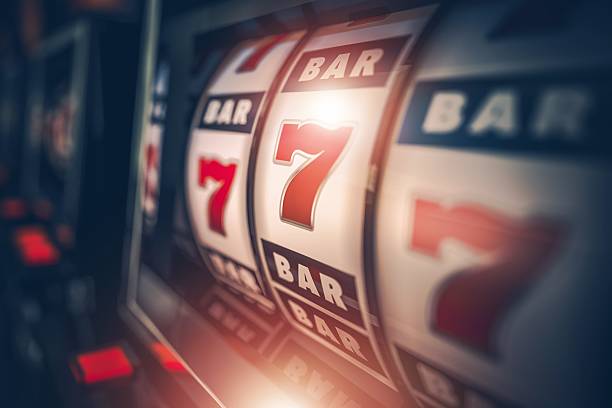
This psychological phenomenon is not merely limited to the experienced gambler but extends to novices as well. The flashing lights, vibrant sounds, and enticing atmosphere of casinos create an environment that encourages risk-taking behavior. Many players become entranced, drawn into a cycle of play that emphasizes immediate gratification over long-term consequences.
Cognitive biases play a significant role in how individuals perceive risk and make decisions in casino settings. The gambler’s fallacy, for instance, leads players to believe that past events can influence future outcomes. This illusion can encourage them to place bets based on previous results rather than on statistical probabilities.
Moreover, the illusion of control can mislead gamblers into thinking they can influence outcomes through skill or strategy. This belief often enhances their willingness to engage in risk-taking behaviors, despite the inherent unpredictability of games like slots or roulette. Such cognitive distortions can contribute to persistent gambling habits and an ongoing cycle of high-risk behavior.
Emotions significantly impact decision-making in casino environments. When individuals experience excitement or stress, their ability to assess risk may become compromised. Positive emotions, such as elation from a win, can lead to increased risk-taking, as players may feel invincible and eager to chase further wins.
Conversely, negative emotions, like frustration or despair from losses, can lead to impulsive decisions as players attempt to recover their losses quickly. This emotional rollercoaster often traps gamblers in a cycle where rational thinking is overshadowed by their current emotional state, further driving the psychology of risk-taking in casinos.
Promotions and bonuses offered by casinos can significantly amplify risk-taking behaviors. These incentives often create a false sense of security, leading players to take larger risks than they normally would. The allure of free spins or matched bets can entice players to engage in more frequent and higher-stakes gambling.
Additionally, promotional tactics can foster a sense of urgency, prompting players to act quickly to take advantage of limited-time offers. This pressure can lead to impulsive gambling decisions, as the focus shifts from strategic play to simply seizing an opportunity. Understanding these psychological triggers can help players navigate their risk-taking behaviors more effectively.
Your guide to informed gambling
As the gambling landscape continues to evolve, having access to reliable information becomes crucial for players. Our website serves as a comprehensive resource, equipping users with insights on the latest promotions, strategies, and psychological factors influencing gambling behavior. Whether you’re a seasoned player or just starting, we aim to enhance your understanding of risk-taking in casino environments.
By offering expert reviews and detailed comparisons of various platforms, we empower players to make informed decisions that align with their personal gambling goals. Dive into our resource to explore how to maximize your gaming experience responsibly while understanding the psychological dynamics at play.